Why Sustainable Fishing Matters and How to Shop Responsibly
The fish we eat comes from our oceans, and how we fish affects the health of marine ecosystems for generations to come. As consumers, we have the power to support sustainable fishing practices through our purchasing decisions. Here's what you need to know.
What does sustainable fishing mean? Sustainable fishing means catching fish in ways that maintain healthy fish populations and ecosystems. It involves respecting catch limits, using methods that minimise harm to other marine life, and allowing fish stocks to replenish naturally. It's about thinking long-term rather than maximising short-term profits.
Why it matters. Overfishing has decimated some fish stocks around the world. Species like Atlantic cod have taken decades to recover from heavy fishing pressure. Certain fishing methods, like bottom trawling, damage the seafloor and kill unintended species. If we don't fish sustainably, future generations may not have access to the fish we enjoy today.
Look for certification. The Marine Stewardship Council (MSC) certification is a reliable indicator of sustainable fishing. Look for the blue MSC label on packaging. Fish with this label come from fisheries that have been independently assessed and meet strict environmental standards.
Ask your fishmonger. Good fishmongers know where their fish comes from and how it was caught. Don't be afraid to ask questions about the source and fishing method. A reputable fishmonger will be happy to share this information.
Choose underutilised species. Some fish species are overfished, while others are underutilised and abundant. Mackerel, sardines, and herring are sustainable choices. Your fishmonger can suggest alternatives if your first choice is less sustainable.
Seasonal and local choices. Buying fish that's in season and caught locally reduces the need for long-distance transportation and supports local fisheries. It's also usually fresher and better value.
Avoid these fish. Some fish are currently overfished or caught using harmful methods. Atlantic bluefin tuna, some shark species, and certain wild-caught prawns are problematic. Your fishmonger or the MSC website can provide updated guidance.
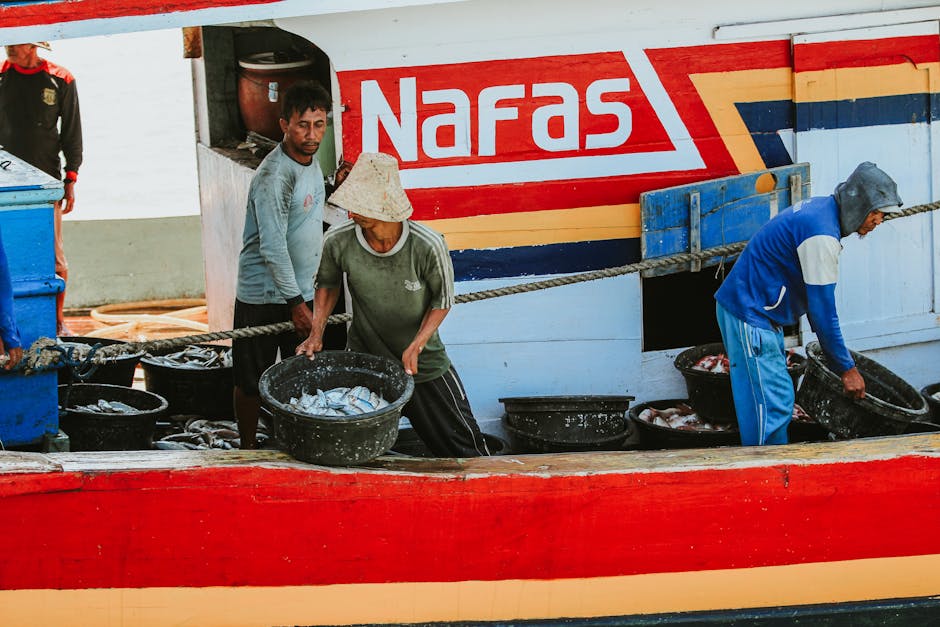
Support small boats. Smaller fishing vessels typically have less environmental impact than massive industrial trawlers. When you can, choose fish from smaller-scale fisheries.
Sustainable fishing isn't just good for the planet—it often means fresher, better-quality fish on your table. By making informed choices, you're voting with your wallet for a healthier ocean.